This link will open in a new tab and lead to an external website. We are not responsible for its content or availability.
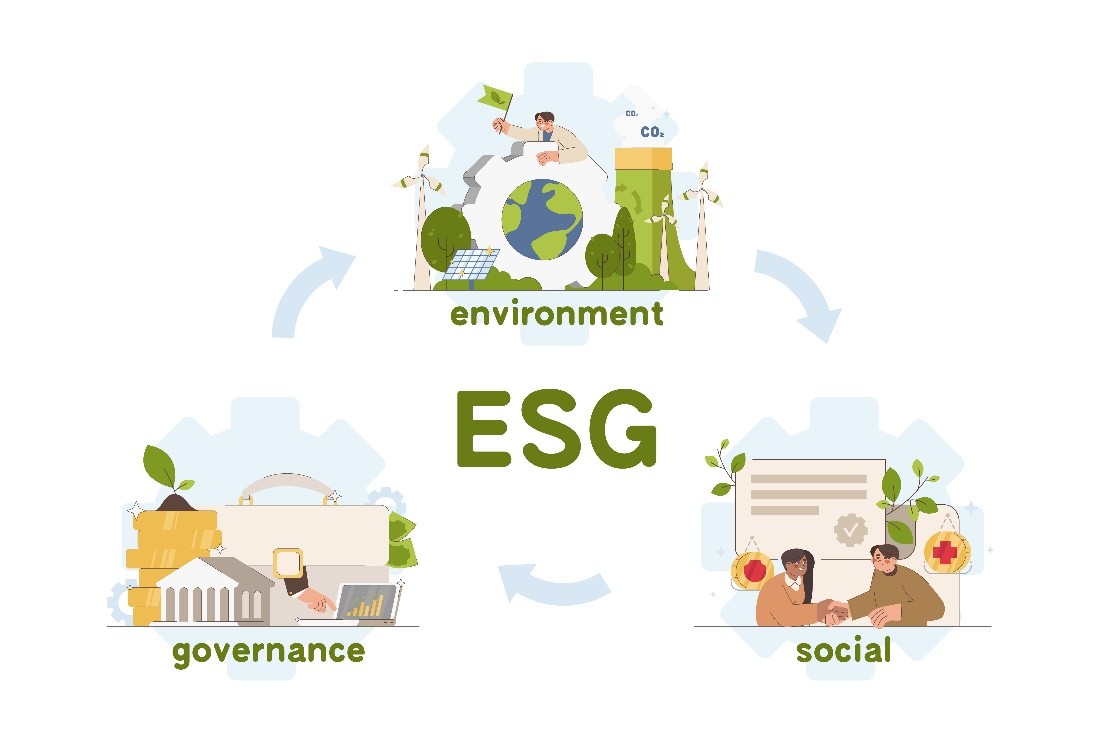
The modern business landscape has moved beyond simply looking at profit margins. Today, stakeholders – including investors, customers and employees – use the ESG framework to understand how an organisation manages risks and opportunities related to sustainability.
Environmental Standards (The "E"): This pillar examines how a business interacts with the natural world. It looks at a company's carbon footprint, energy efficiency, waste management practices and how it handles resource depletion.
Social Standards (The "S"): A business does not operate in a vacuum; it impacts people. The Social category covers human rights, community engagement, and most importantly, ensuring fair labour practices and safety for workers. It is about how a company treats its employees, suppliers and the local communities where it operates.
Governance Standards (The "G"): Governance is the internal system of practices, controls and procedures a company adopts to govern itself. It includes ethical decision-making and transparency at the leadership level, the composition of the Board of Directors, executive pay and anti-corruption measures. It ensures the company is run responsibly and legally.
Source: Freepik
Reflection: Why do you think investors care about a company’s governance (ethics)? Consider what happens to a company's stock value and reputation if its leadership is caught in a corruption scandal or hiding financial risks.
Section 2: Navigating Green Regulations
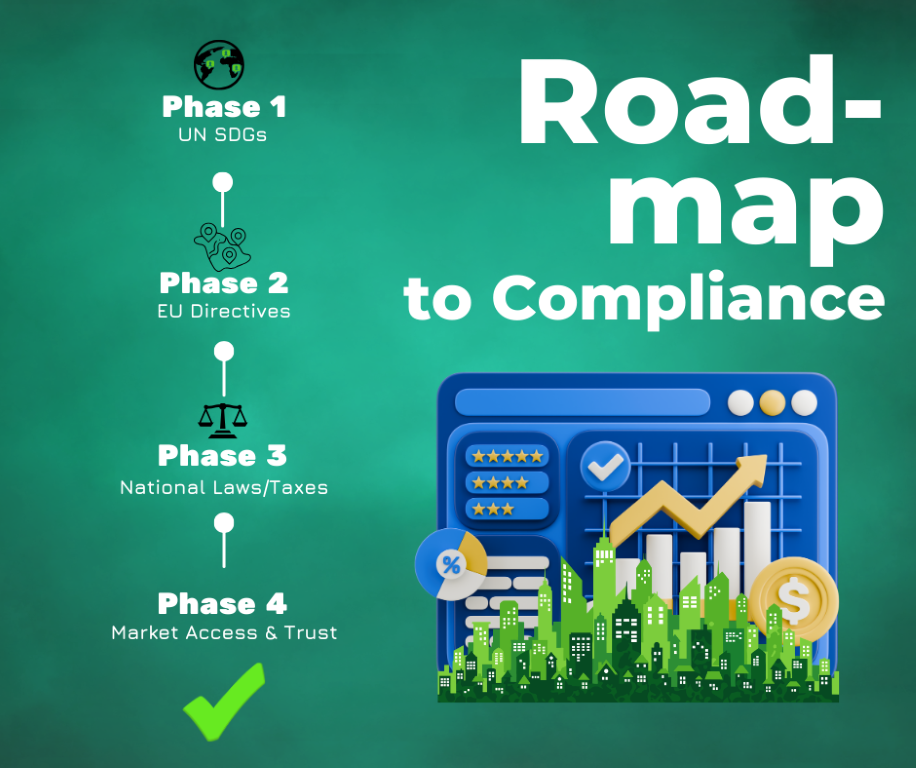
Sustainability is no longer just a "nice-to-have" marketing angle; it is increasingly a strict legal requirement. Navigating these rules is critical for business survival.
Compliance isn't optional – it's the law: If a business ignores environmental regulations, the most likely risks are heavy legal fines, lawsuits and severe reputational damage. Non-compliance can literally shut a business down. Keeping up with regulations is a fundamental part of risk management.
Understanding local vs. international standards: Businesses must navigate a web of rules. At the international level, frameworks like the EU Green Deal set broad targets. These are then translated into local laws. For example, in Poland, businesses must register and report their waste and packaging through the national BDO (Database on Products and Packaging and Waste Management) system. Furthermore, European directives like the CSRD (Corporate Sustainability Reporting Directive) legally require companies to disclose their environmental and social impacts.
Source: Canva
Reflection: Are there any recent laws in your country regarding plastic bags or recycling? Think about the implementation of the EU Single-Use Plastics directive or the recent deposit-return schemes for bottles. How have local businesses had to adapt their operations overnight?
Section 3: Transparency & Avoiding Greenwashing
As consumers and investors demand greener products, the temptation for companies to exaggerate their environmental efforts has grown. This makes transparency more critical than ever.
Greenwashing: This occurs when a company misleads consumers about the environmental benefits of a product or its operations. It deceives customers into thinking a company is greener than it actually is. Examples include using vague buzzwords like "eco-friendly" without proof, or putting a green leaf logo on a heavily polluting product. When greenwashing is exposed, it severely damages brand trust.
Reporting to build trust: Sustainability reports are not just for marketing; they provide transparency and verifiable proof of compliance to stakeholders. Reporting proves that a company is actually doing what it claims. By openly sharing both successes and areas needing improvement (like Scope 3 carbon emissions), businesses build resilient, long-term trust with their audience.
Source: Freepik
Reflection: Have you ever seen a product claim to be 'natural' but it came wrapped in excessive, unrecyclable plastic? How did that make you feel as a consumer? Did it make you trust the brand more or less?


