
This link will open in a new tab and lead to an external website. We are not responsible for its content or availability.
Theory Section
Strategic development focuses on defining long-term goals and designing pathways to achieve sustainable growth in a changing environment. In today’s dynamic business landscape, the ability to anticipate risks, identify opportunities, and adapt to change is essential for competitiveness and resilience.
Strategic thinking begins with a clear vision. Establishing a strong sense of direction ensures consistency in decision-making and motivates teams to work toward shared objectives. Long-term planning helps businesses move beyond short-term survival and focus on sustainable growth.
Risk assessment and management are central to strategic development. Every business faces uncertainties, whether financial, operational, or market-related. Identifying potential threats and preparing contingency plans reduce vulnerability and strengthen resilience. Proactive risk management supports stability and informed strategic choices.
Growth and sustainability planning require balancing economic performance with social responsibility and environmental awareness. Sustainable growth models promote innovation, efficiency, and responsible resource use. Businesses that align profitability with positive social and environmental impact are better positioned for long-term success.
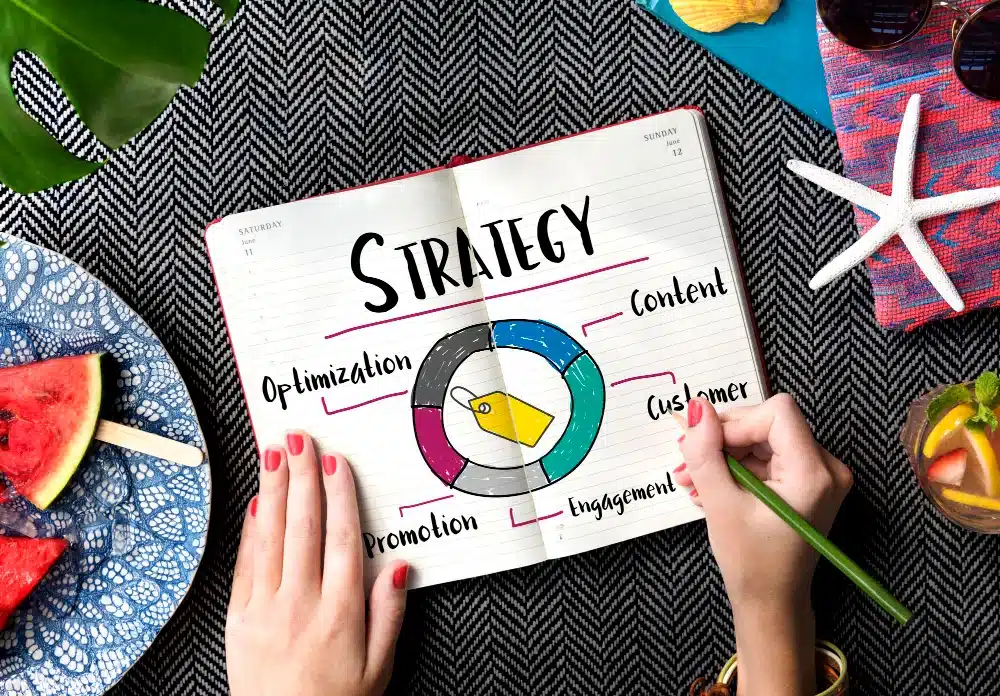
Innovation and adaptability are critical strategic competencies. Innovation includes improving processes, developing new products or services, and responding creatively to emerging challenges. Adaptability enables businesses to adjust strategies when circumstances change, ensuring continued relevance and competitiveness.
By the end of this unit, learners will understand strategic planning principles, apply long-term planning tools, and demonstrate leadership, resilience, and commitment to sustainable development in their decision-making processes.
Section 1: Strategic Thinking & Visioning
Strategic thinking involves defining a clear long-term vision and aligning actions with that vision. It ensures consistency and direction in business development.
Section 2: Risk Assessment & Management
Businesses face financial, operational, and market risks. Identifying risks early and preparing solutions reduces potential negative impacts.
Example:
A business selling handmade products online might face risks such as:
Identifying these risks early allows entrepreneurs to prepare alternative solutions.
Section 3: Growth & Sustainability Planning
Planning for growth requires balancing expansion with responsible resource management. Sustainable growth ensures long-term competitiveness.


