
This link will open in a new tab and lead to an external website. We are not responsible for its content or availability.
Theory Section
A business plan serves as a roadmap for launching, managing, and growing a business. More than a formal document, it is a strategic tool that helps transform ideas into structured, actionable plans. This unit focuses on developing a comprehensive business plan that integrates market research, financial planning, operational strategies, and sustainability objectives.
The development process begins with clear planning and organization. Defining short-, medium-, and long-term goals allows entrepreneurs to establish priorities and outline concrete actions. Structured planning supports effective time management and resource allocation while providing a clear direction for business development.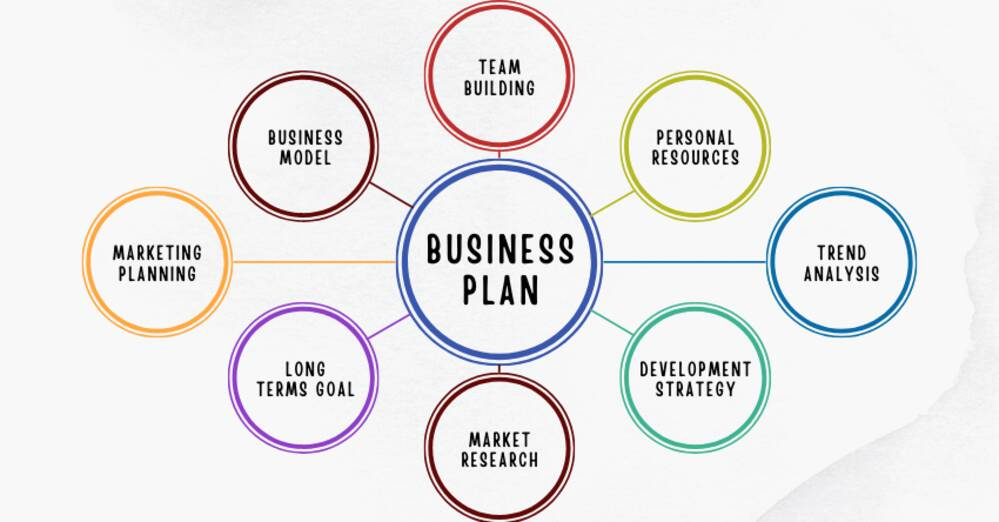
Market research and analysis are fundamental components of a strong business plan. Understanding customer needs, identifying target groups, and analyzing competitors reduce uncertainty and increase the likelihood of success. Evidence-based decisions help align products or services with real market demands.
Sustainable business design is another key element. A well-developed business plan considers not only financial profitability but also social and environmental impact. Integrating sustainability principles enhances long-term resilience and strengthens the business’s contribution to the community.
Financial forecasting supports decision-making by estimating expected income, expenses, and profitability over time. Developing realistic financial projections allows entrepreneurs to assess feasibility, manage risks, and adjust strategies when needed.
This unit encourages perseverance, adaptability, and critical thinking, empowering learners to design, review, and refine business plans that support long-term sustainability and value creation.
Key Components of a Business Plan
A structured business plan usually includes the following elements:
Including these elements helps entrepreneurs organize ideas and plan their business development effectively.
Section 1: Planning & Organisation
A business plan provides structure and direction. It defines goals, strategies, and actions required to launch and grow a business. Clear planning improves efficiency and reduces uncertainty.
Reflection Activity
Instructions:
Think about a business idea you might like to develop.
Write 2–3 sentences describing the main goal of your business idea and what value it could provide to customers.
Estimated time: 4 minutes
Section 2: Market Research & Ansis
Understanding customer needs and competitors is essential for business success. Market research helps identify target groups, demand, and potential challenges. It supports informed decision-making.
Example
If you plan to open a small bakery:
Understanding customer needs helps businesses design better products and services.
Section 3: Sustainable Business Design
Sustainable business design integrates financial, social, and environmental considerations. A responsible business creates value while minimizing negative impact. Strategic thinking begins with a clear vision.
Example of Strategic Thinking
A small sustainable clothing brand might define its three-year vision as:
This type of long-term vision helps guide decision-making and business growth.


