
This link will open in a new tab and lead to an external website. We are not responsible for its content or availability.
When you move to a new country, many everyday situations suddenly involve rules: renting a flat, signing a work contract, registering your address, paying taxes, or applying for benefits. These rules are not there to “trap” people. In principle, they exist to make society predictable and fair. Legal literacy means understanding the basics of how rules work, what your rights and responsibilities are, and where to find reliable help. You do not need to become a lawyer. But having a clear overview helps you avoid mistakes, reduce stress, and make informed decisions.
A key idea in many European democracies is the rule of law. This means public institutions must follow the law, decisions should be explained, and people should be treated equally. If a decision feels wrong, there are usually official ways to ask questions, request clarification, or appeal.
Section 1: Legal Levels and Frameworks
Laws and rules exist at different levels. Understanding these levels helps you identify where rules come from and which authority is responsible.
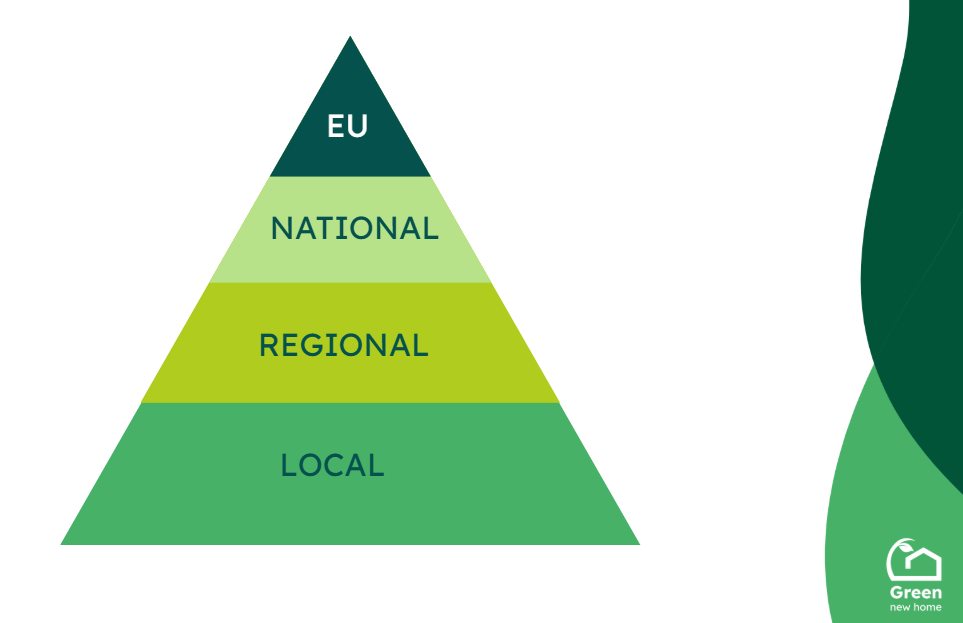
1) European (EU) level
In EU countries, some rules come from the European Union. EU law can influence areas such as consumer protection, data protection, workers’ rights, and anti-discrimination. Not all topics are decided at EU level, but EU rules often set minimum standards that national laws must respect.
2) National level
National laws are created by the national parliament and government. They usually regulate major topics such as immigration rules, residence permits, taxation, labour law, social security, and criminal law. For example: rules about employment contracts or national tax systems are typically national.
3) Regional / federal state level (where applicable)
In some countries (like Germany), there are federal states with their own responsibilities. They may shape areas like education, police administration, or certain social and administrative regulations (depending on the topic).
4) Local / municipal level
Cities and municipalities manage many daily-life services: local registration offices, housing services, waste rules, local permits, parking regulations, local support services, and sometimes integration-related services. They implement national laws locally, and they may also have local rules (for example: specific local parking rules).
A helpful mental model:
Example:
If you have a question about your address registration, the responsible office is usually local (municipal). If you have a question about income tax rules, it is mainly national. If you have a question about data protection at work, EU rules may also play a role.
Reflection: Have you ever been unsure which office or authority was responsible for a decision affecting you?
Section 2: Rights and Obligations
The law defines both rights and obligations. Understanding the difference is essential because it helps you act confidently in everyday situations.
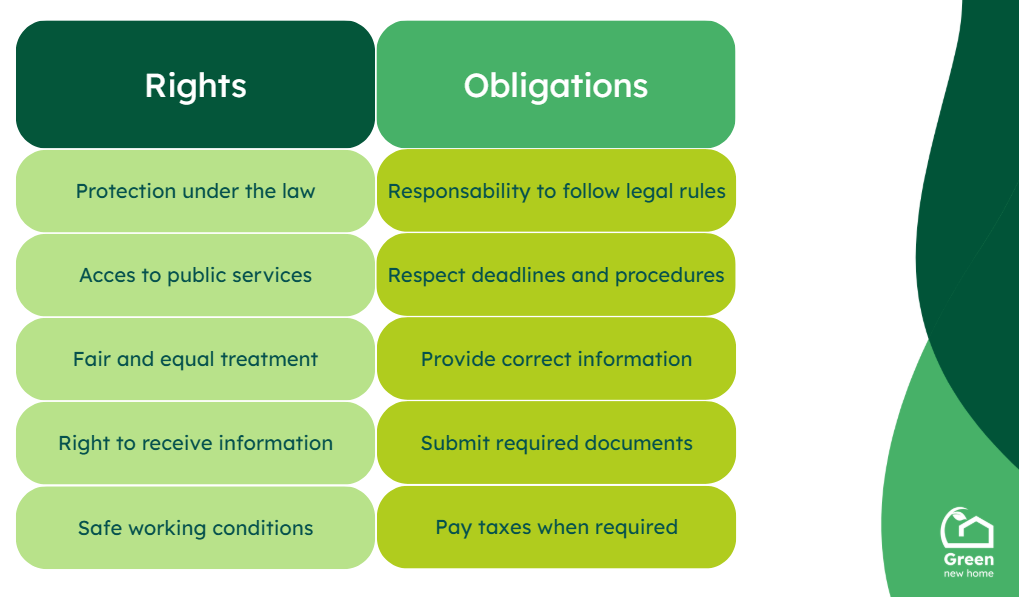
Rights are protections or services you are entitled to under the law. Examples can include:
Obligations are legal responsibilities you must follow. Examples can include:
A practical way to think about this is:
Rights and obligations often come together
In many cases, a right is connected to an obligation. For example: you may have the right to access certain services, but you may need to provide documents, register properly, or meet deadlines.
Why “legal clarity” matters
When rules are clear, people can plan their lives: they know what is expected and what support exists. When people do not know their rights, they may accept unfair treatment or miss opportunities. When people do not know their obligations, they may unintentionally break rules and face problems (such as delays, fines, or losing access to services).
Micro-tips (to build confidence):
Reflection: What is one right (a service you can access) or one obligation (a rule you must follow) that you would like to understand better?
Section 3: Finding Legal Information
Knowing where to find information is often more important than memorising rules. Laws and procedures can change, and advice from friends or online forums may be outdated.
Reliable sources (recommended)
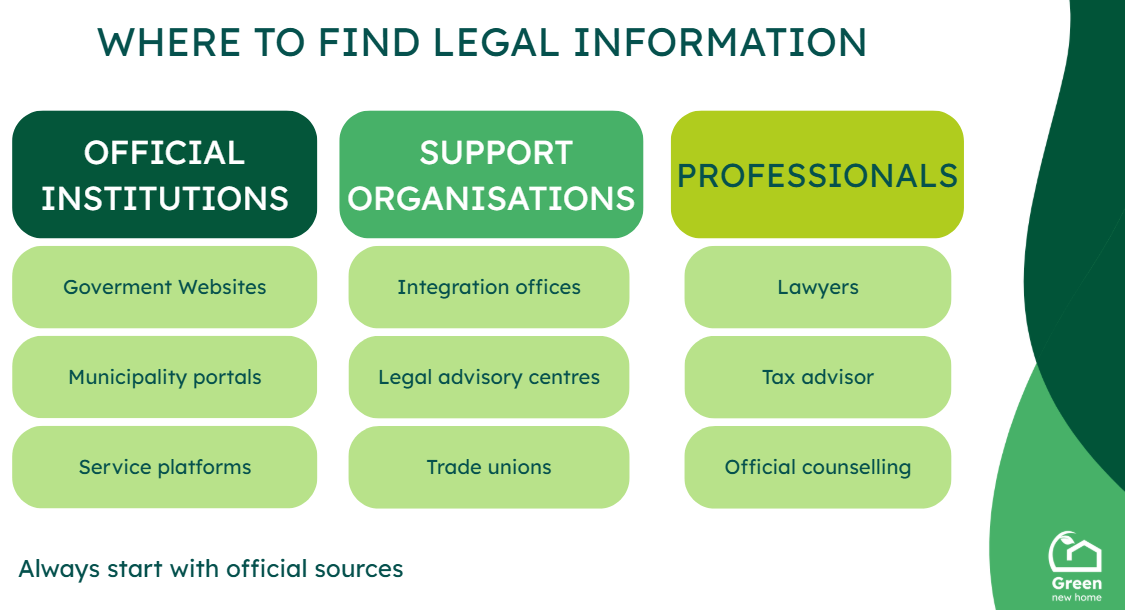
1) Official public institutions
Government websites, local municipality websites, and official service portals usually provide the most reliable information. They often include forms, addresses, appointment systems, and clear explanations.
2) Registered support organisations and advisory centres
Many countries and cities offer support through integration offices, legal advice centres (often specialised), trade unions, chambers of commerce, migrant support services, or social organisations. These services can help you understand documents, prepare procedures, and find correct offices.
3) Professionals (when needed)
For complex cases (e.g., serious employment conflict, residence status issues, major tax problems), it may be necessary to consult qualified professionals such as lawyers, certified tax advisors, or official counselling services.
How to check if information is trustworthy
A simple checklist:
What to do if you receive an official letter you do not understand
Official letters often contain: deadlines, reference numbers, required actions, and contact details. If you do not understand the language or meaning, do not ignore it. Delays can create avoidable problems. It is better to ask early.
Micro-tips:
Reflection: Besides the internet, which official office or organisation in your area could you visit for reliable legal advice?


